
California's first life-sharing program
Live independently. With someone who cares.
Homies matches adults with developmental disabilities with a supportive roommate who shares a home and helps with daily life. Supported by your Regional Center.
Life-sharing, defined
What is life-sharing?
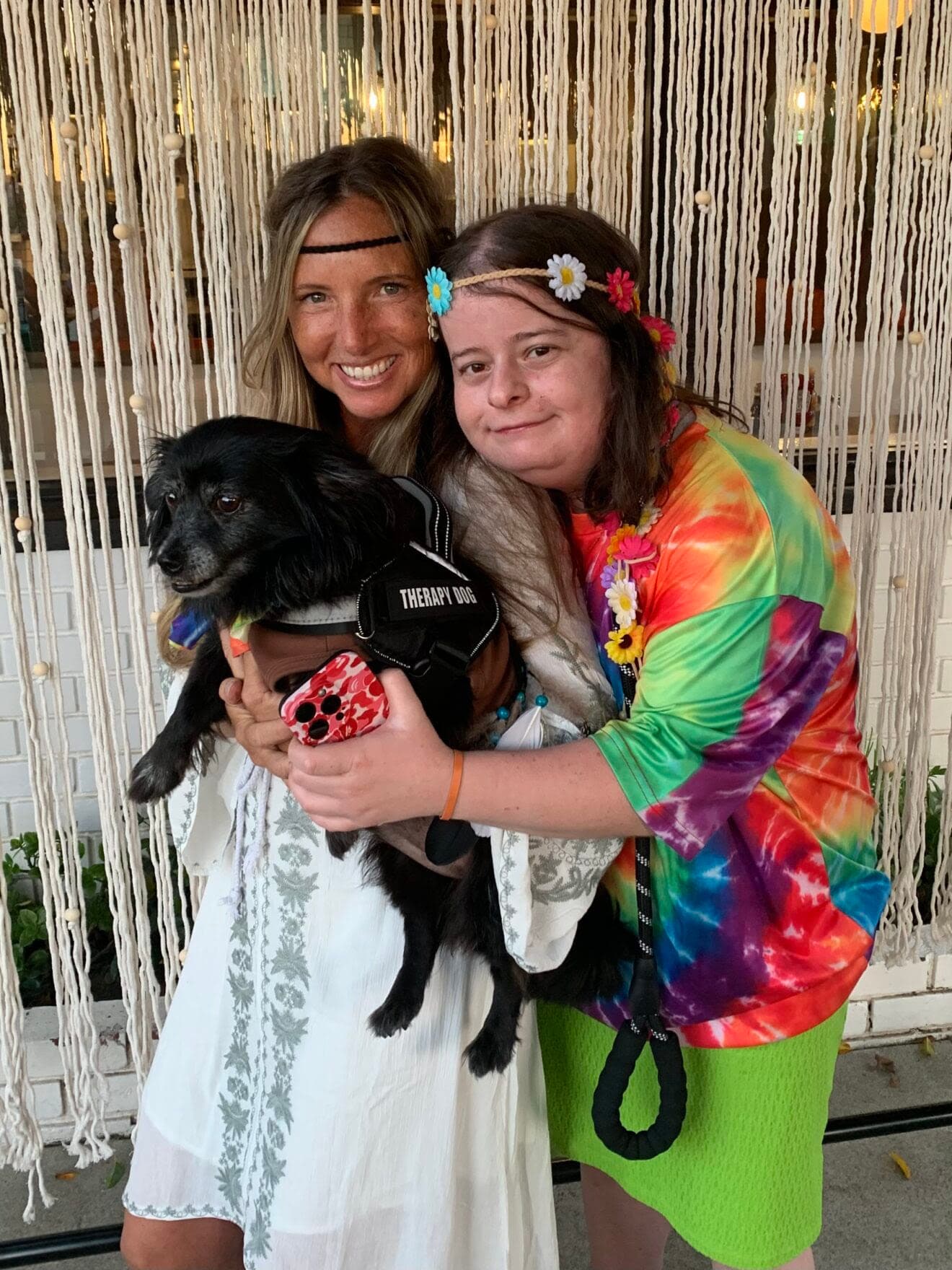
Life-sharing pairs an adult with a developmental disability with one roommate who shares their home, their routines and their life. Not rotating staff. One person, one match, built to last.
Homies is California's first life-sharing program. For most families it is the group home alternative they did not know existed.
A Regional Center is one of 21 state-funded agencies that arrange services for Californians with developmental disabilities. They have approved Homies as a shared living provider, and yours pays for the support.
The difference shows up in ordinary things. Nobody clocks out at 10pm. Dinner happens when the two of them are hungry, not when a shift schedule says so. And when something goes wrong at 2am, the person who helps already knows what calms your loved one down. Not whoever the agency sent that week.
- Who it's for
- Adults with an intellectual or developmental disability who are California Regional Center clients, and who want their own home without living in it alone. Most keep the day program, job or classes they already have. Parents and siblings help shape the match and meet the roommate before anyone moves in.
- What it costs
- The support is funded through the Regional Center under Supported Living Services, so families pay nothing out of pocket for it. Rent, utilities and groceries stay the person's own, the same as for any other tenant, and most cover them with Supplemental Security Income (SSI) or benefits they already receive.
- Who owns the home
- The two people living in it. Most pairs find a new place together. Sometimes one person moves into the other's home. Either way, both names are on the lease. Homies is not a landlord, so nobody can move your son or daughter out of their own home.
New to the terms? Our glossary explains SLS, IPP and IDD in plain English.
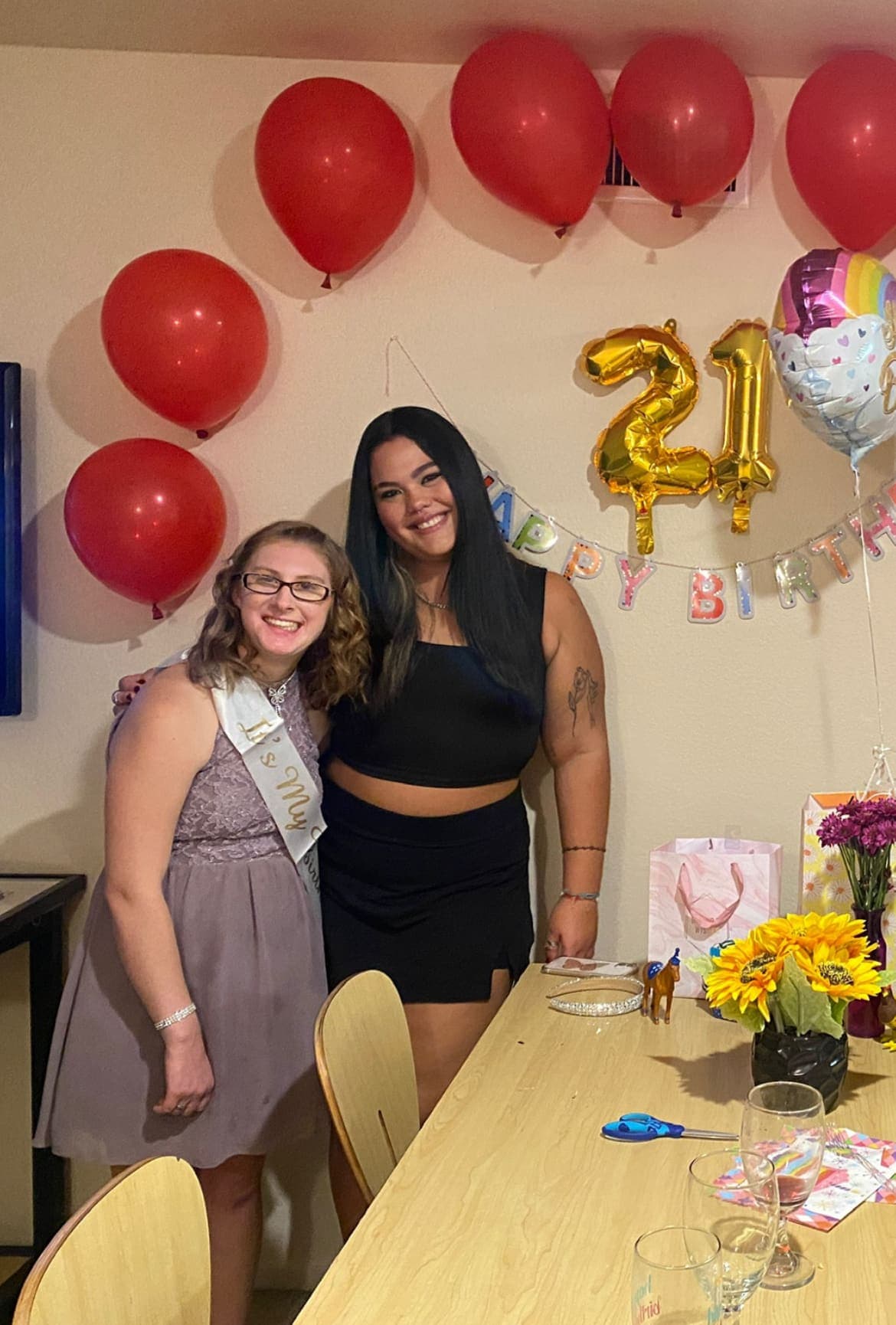
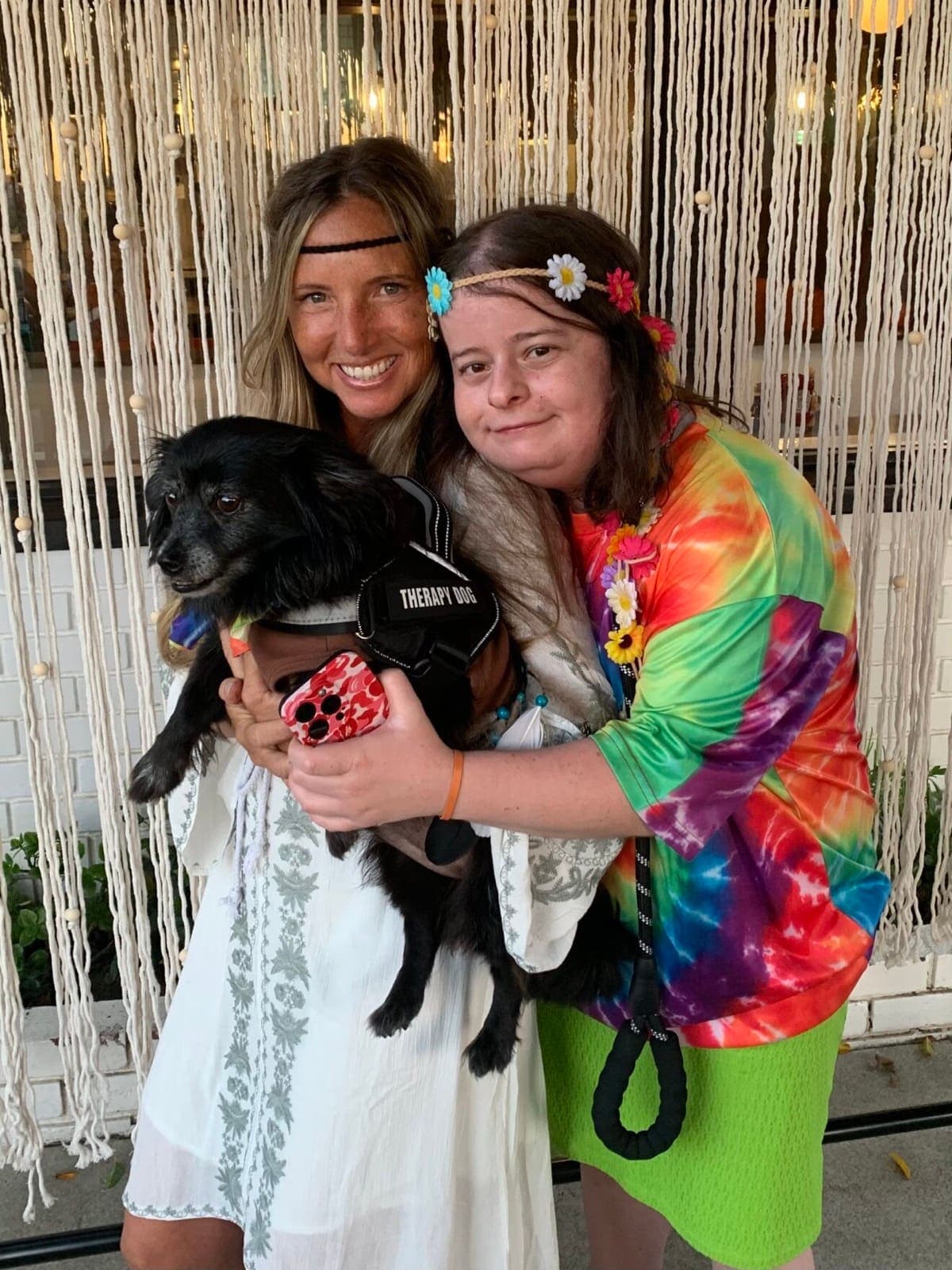
Natalia & Kate
Natalia's 21st birthday, at home. Kate is her roommate, not her shift.
Stories of connection
Real matches, in their own words.


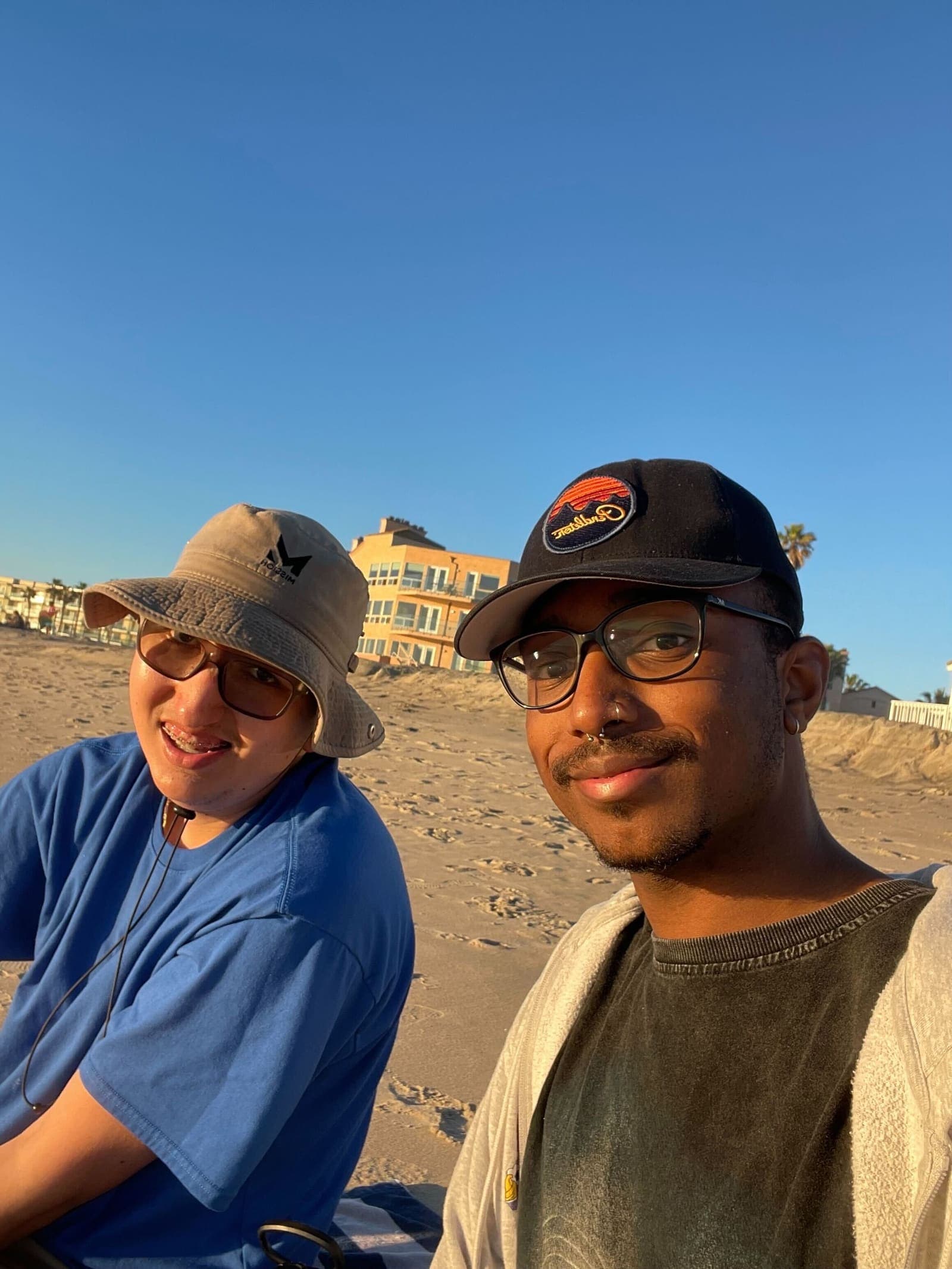
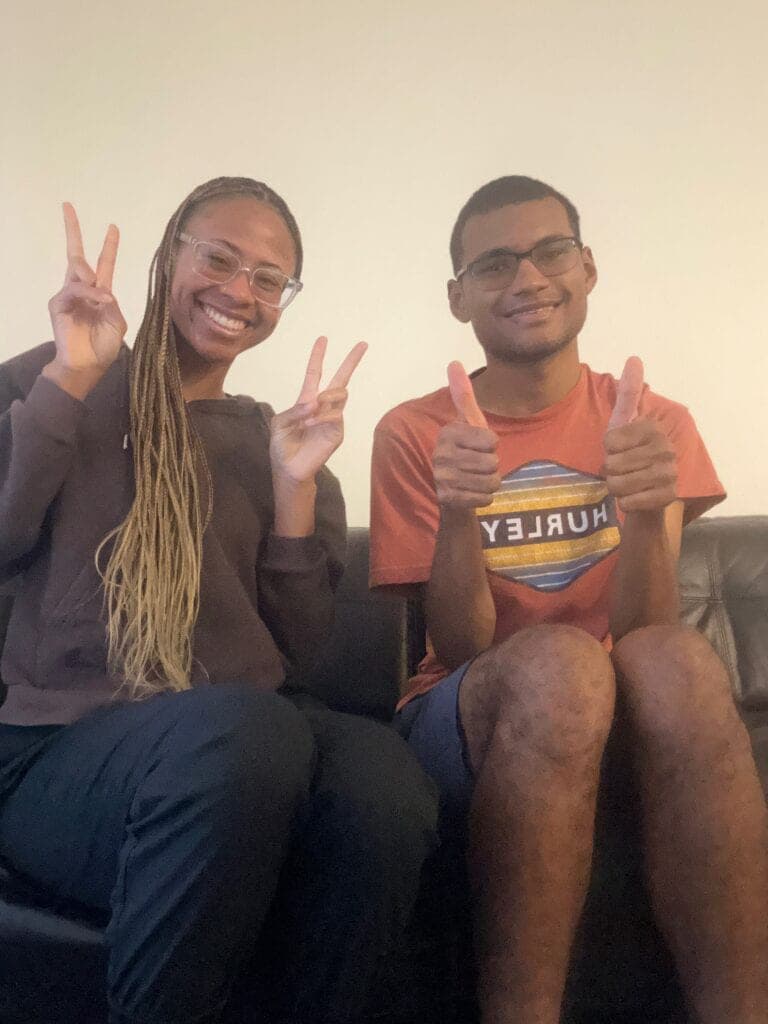

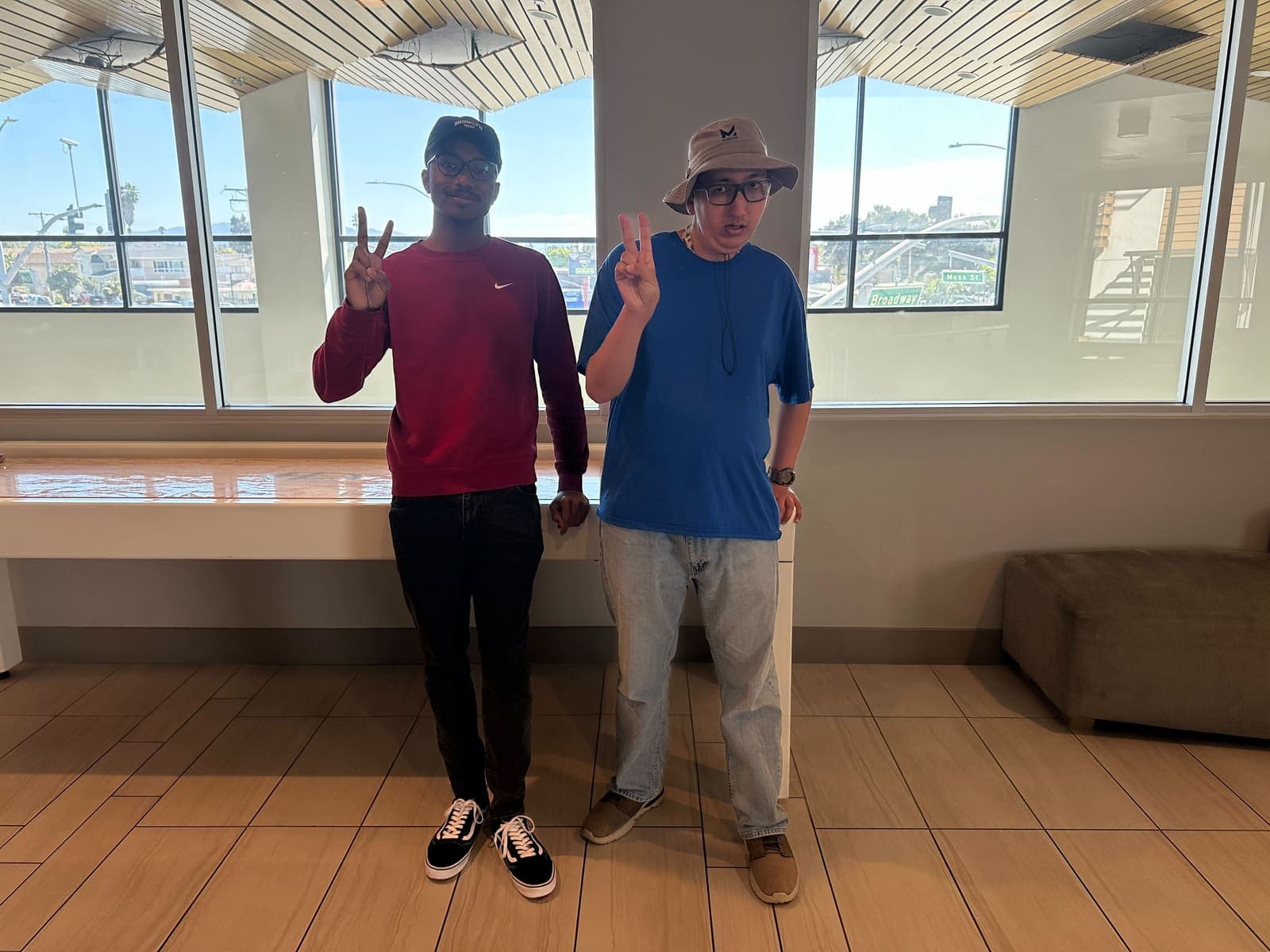
Which one is you?
Pick yours and we'll take it from there.
Families
You want a real home for your son or daughter, and you want to know who they will be living with.
Start hereAdults with a disability
You are a Regional Center client and you want your own place, with someone you chose.
See if you qualifySupportive roommates
You have room in your home and your life, and you would rather share both than rent to a stranger.
Explore the roleService coordinators
You have a client who needs an alternative to a group home. We handle the paperwork.
See how referrals workYour peace of mind
Checked before they ever meet your loved one
Every supportive roommate passes identity verification, then FBI and DOJ background checks, including state court records and the National Sex Offender database. Then come reference checks and a personality and compatibility assessment. Training is finished before any match is made.
- Identity verification
- FBI and DOJ background checks
- Reference checks
- Personality and compatibility assessment
- Training before any match
- Regular check-ins after move-in
- 24/7 emergency support
How it works
Five steps from a first call to move-in, and we are with you for every one of them.
Intro call
Learn about Homies, ask questions, and see if it's a fit. No commitment.
Assessment and Regional Center referral
Your service coordinator sends us a referral, and our team completes a detailed intake. This isn't about approving or denying. It's about understanding your loved one so we can find the right match.
Roommate matching
We find a rockstar roommate, matched on personality, lifestyle, and interests rather than availability. You might already know someone great, like a friend or former staff member.
Finding a home
Most pairs look for a new place together, and our team helps with the search. Sometimes one person moves into the other's home instead.
Move-in and ongoing support
After move-in, we check in regularly and are available 24/7. Families stay informed.
Meet Garrett
Garrett lives with his roommate in his own place. Here is what a week looks like, in his words.

Find us in your area.
Regional Centers across California have approved Homies to provide Supported Living Services (SLS). Pick yours below.
For service coordinatorsSan Diego Regional Center
Serving: San Diego, Chula Vista, Oceanside, Escondido, Carlsbad, El Cajon
Learn more about SDRCRegional Center of Orange County
Serving: Anaheim, Santa Ana, Irvine, Huntington Beach, Garden Grove, Orange
Learn more about RCOCInland Regional Center
Serving: Riverside, San Bernardino, Fontana, Moreno Valley, Ontario, Rancho Cucamonga
Learn more about IRCWestside Regional Center
Serving: Santa Monica, Venice, Marina del Rey, Playa Vista, Culver City, Mar Vista
Learn more about WRCFrank D. Lanterman Regional Center
Serving: Glendale, Burbank, Pasadena, La Cañada Flintridge, Altadena, Eagle Rock
Learn more about LRCSouth Central Los Angeles Regional Center
Serving: South Los Angeles, Compton, Lynwood, Watts, Florence, Willowbrook
Learn more about SCLARCSan Gabriel/Pomona Regional Center
Serving: Pomona, West Covina, Covina, Azusa, Glendora, Diamond Bar
Learn more about SGPRCEastern Los Angeles Regional Center
Serving: East Los Angeles, Montebello, Pico Rivera, Whittier, La Mirada, Norwalk
Learn more about ELARCHarbor Regional Center
Serving: Long Beach, Torrance, Carson, Lakewood, Redondo Beach, San Pedro
Learn more about HRCNorth Los Angeles County Regional Center
Serving: Lancaster, Palmdale, Santa Clarita, Valencia, Newhall, Saugus
Learn more about NLACRCTri-Counties Regional Center
Serving: Ventura, Oxnard, Thousand Oaks, Simi Valley, Santa Barbara, San Luis Obispo
Learn more about TCRCCommon questions
Who pays for life-sharing?
California Regional Centers do. They have approved Homies to provide Supported Living Services (SLS), so the support a person receives from their roommate is funded through their Regional Center. Families pay nothing out of pocket for the support itself. Your loved one keeps paying their own rent, utilities and groceries, which most cover with Supplemental Security Income (SSI) or other benefits they already receive.
How long does it take to get matched?
Finding a match usually takes 2 to 6 weeks. From your first call to move-in, plan on 1 to 3 months. We do not hand over a list of available people and wish you luck. Our team meets your loved one, learns how they actually live, and then looks for someone whose routines, interests, and temperament fit. Both people meet several times before anyone signs a lease.
How is this different from a group home?
A group home has residents and shift staff. Life-sharing has two roommates in a regular apartment or house in the community. No rotating shifts, no house rules written by an agency, no set dinner time. Your loved one chooses where they live, who they live with, and what their day looks like.
Who can become a supportive roommate, and what do they earn?
Adults with at least two years of experience supporting people with disabilities who pass FBI and DOJ background checks, a National Sex Offender database search, reference checks, a compatibility assessment, and required training. Supportive roommates earn $20,000 to $50,000 a year, tax-free, funded through the Regional Center. They pay their share of the rent, and they keep their own jobs and their own lives. It is a home, not a shift.
Does Homies provide the housing?
No. Most pairs find a new place together. Sometimes one person moves into the other's home. Either way, both names are on the lease. We help with the search, but we are not a landlord and we are not a party to the lease. That matters: the home belongs to the people living in it, not to a provider who can move someone out of it.
Can we choose the roommate?
Yes. Nobody moves in on our say-so. We bring you people we believe fit, your loved one meets them more than once, and the family is part of those conversations. If someone already has a person in mind, a friend, a former aide, a cousin, we can work with that arrangement instead of starting over.
What if the match does not work out?
We stay in it. Every pair gets a Discovery Navigator who checks in regularly, and there is a support line staffed around the clock. When friction comes up we mediate first, because most of it is ordinary roommate friction. If a match genuinely is not right, we look for a new one. That is rare. It has happened several times, and it has gone well. A second match is easier than the first, because by then we know much more about what the person wants and needs.
Where does Homies operate?
California. We are approved by Regional Centers across the state, from San Diego up through the Tri-Counties. If you are already living with a roommate somewhere else, our resources and guidance are still open to you.
Still deciding? Read the full FAQ, compare life-sharing with group homes, or talk to a person.
Ready to talk it through?
Tell us about your loved one, or about the home you could share. A real person from our team calls you back.