
Safety first
Every roommate is checked before they meet your loved one
Every supportive roommate goes through a five-step screening process before any match.
Our philosophy
We call it the Rockstar Standard
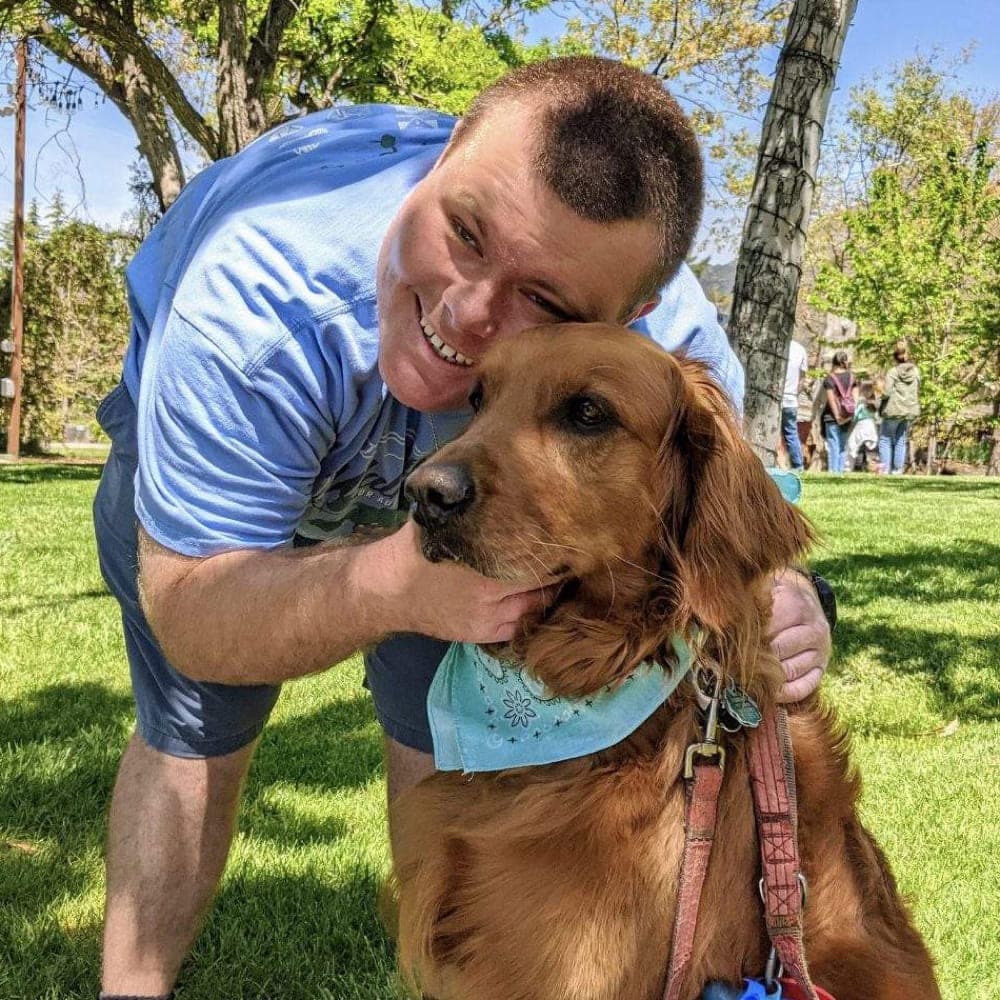
Not everyone can be a Homies roommate. We look for people who genuinely want to share their life, with the income coming second. Our roommates have daytime jobs, are emotionally mature, and see this as a calling, not a gig.
Every candidate goes through the full screening process, and only a fraction make it through. That’s by design.
How we screen
Application & identity verification
Full legal name, phone, and address verification. We confirm who you are before anything else.
Background checks
FBI fingerprint check, DOJ clearance, state criminal court records, and the Dru Sjodin National Sex Offender database. Zero tolerance.
Reference & experience review
We contact personal and professional references. We look for caregiving experience, emotional maturity, and genuine motivation.
Personality & compatibility assessment
We assess lifestyle, values, communication style, and living habits to ensure strong matches. Not everyone is a fit, and that’s okay.
Training & certification
Training in disability awareness, communication, and emergency procedures, finished before any match is made.
Safety doesn't stop at screening
Our support continues for the life of every match
Dedicated Discovery Navigator
Every match gets a dedicated Discovery Navigator who knows both roommates personally.
Monthly check-ins
Regular visits and calls to ensure everything is going well, monthly rather than quarterly.
24/7 support line
Our team is always available. Day or night, help is one call away.
Early conflict resolution
Small issues get addressed before they become big ones.
Safety by the numbers
Families who found peace of mind
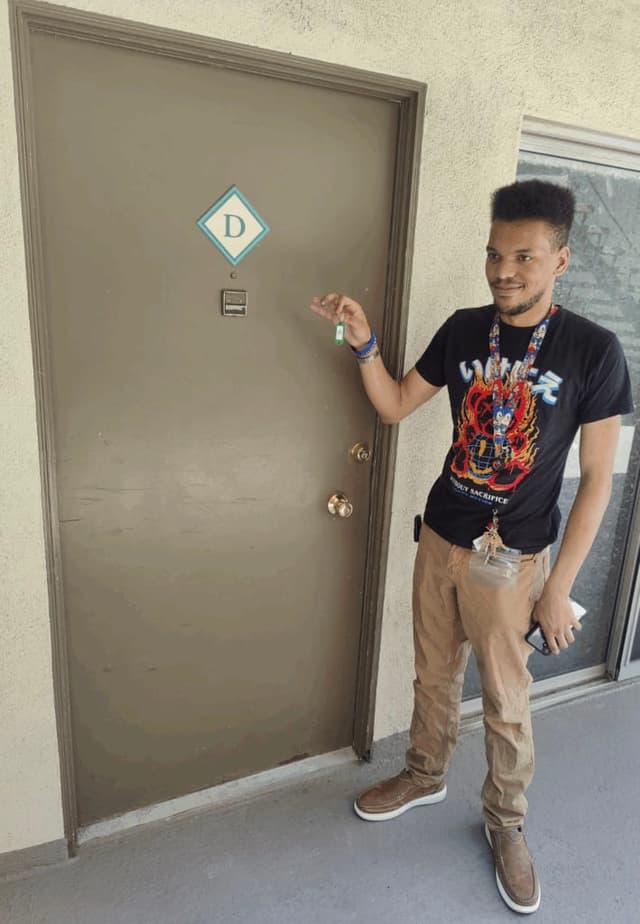
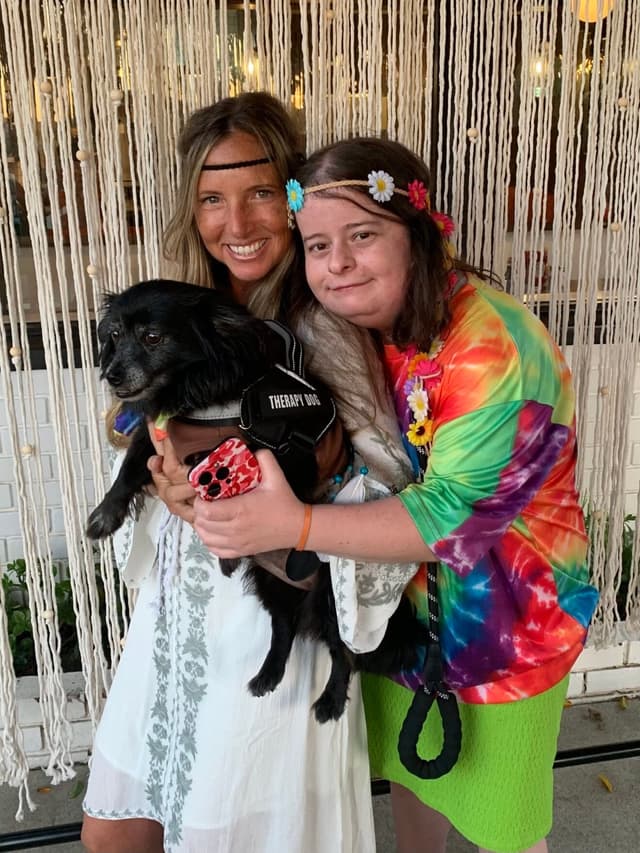
“For years I worried about what would happen when I couldn't care for Eddie anymore. Homies found him a roommate who genuinely cares about him. Now I sleep at night knowing he's happy and safe.”

Safety FAQs
How does roommate matching work for adults with disabilities, and how do you keep them safe?
Matching runs on compatibility: sensory preferences, routines, social energy, communication style. It never runs on bed availability. Safety runs on layers: every candidate passes FBI fingerprint checks, DOJ clearance, state court record searches, and the National Sex Offender database before they can meet anyone. After move-in, a dedicated Discovery Navigator does monthly check-ins and home visits, and a 24/7 line backs up both roommates. No match is final until the person moving in and their family have met the candidate and said yes.
What background checks do you run?
We run FBI fingerprint checks, DOJ clearance, state criminal court record searches, and screen against the Dru Sjodin National Sex Offender database. Every roommate candidate must pass all checks before being considered.
What if the match does not work out?
We stay in it. Every pair gets a Discovery Navigator who checks in regularly, and there is a support line staffed around the clock. When friction comes up we mediate first, because most of it is ordinary roommate friction. If a match genuinely is not right, we look for a new one. That is rare. It has happened several times, and it has gone well. A second match is easier than the first, because by then we know much more about what the person wants and needs.
How do you ensure ongoing safety after the match?
Every match has a dedicated Discovery Navigator who checks in monthly, visits the home, and stays in touch with both roommates. There's also a 24/7 support line.
Can family members be involved in the screening process?
Yes. Families can meet potential roommates, ask questions, and give input before any match is final.
What training do roommates receive?
All roommates are trained in disability awareness, communication, emergency procedures, and person-centered support. Training continues throughout the match.
What is your match success rate?
We have a 95%+ match success rate across 100+ matches. A match ending is rare. It has happened several times, and it has gone well. A second match is easier than the first, because by then we know much more about what the person wants and needs.
Why this matters
Screening is what makes life-sharing safer than rotating-staff models. See the full case in our life-sharing vs. group homes breakdown, or read about housing for autistic adults in California for sensory and routine considerations we screen for.
Your loved one's safety is our priority
Let's talk about finding the right roommate for your loved one.