What Is Life-Sharing? A Family Guide
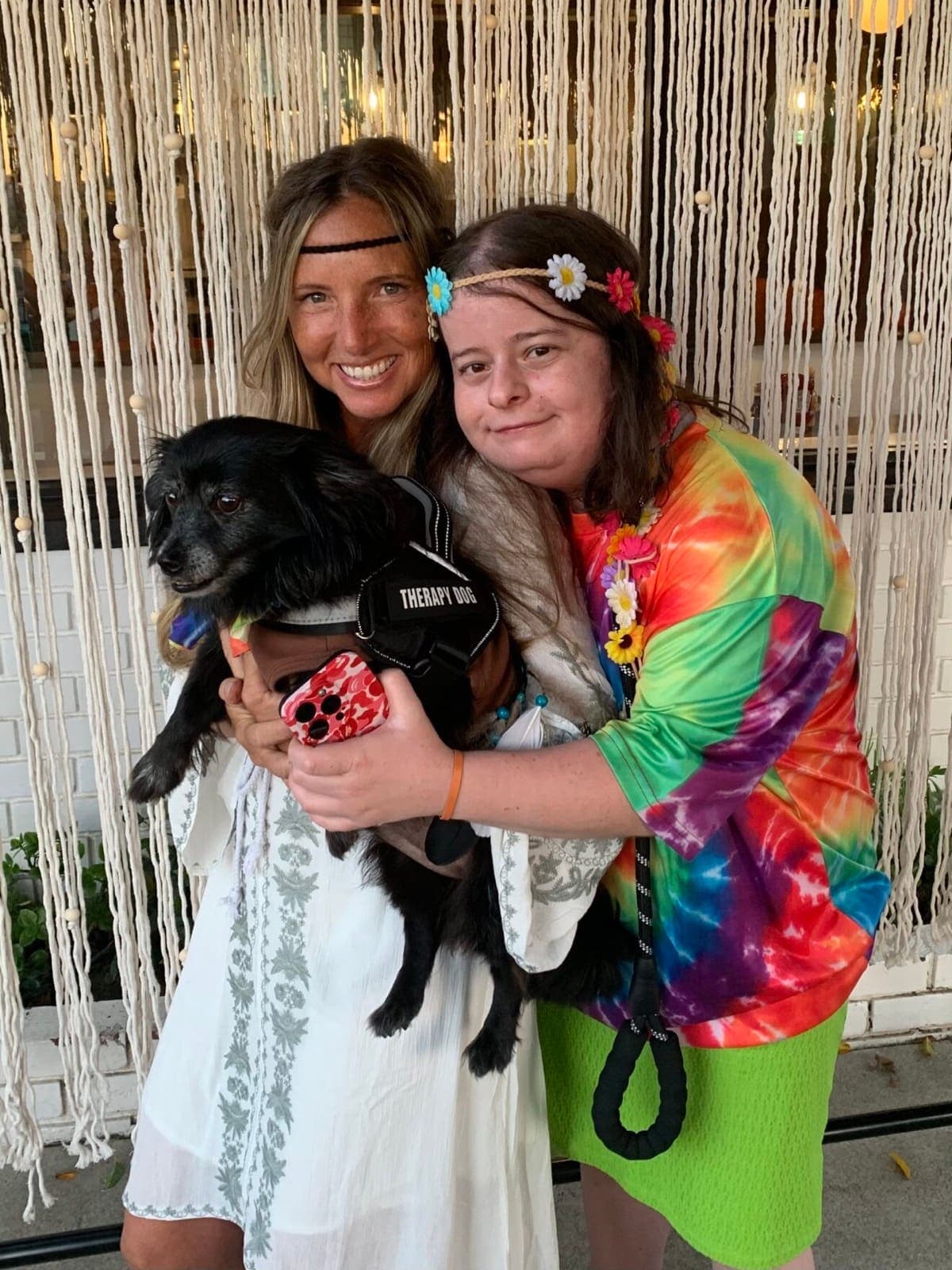
If you're a parent or family member of an adult with an intellectual or developmental disability (IDD), you've probably spent years thinking about what happens next. Where will your loved one live? Who will be there when you can't be? How do you find something that feels like a real life instead of a placement?
Life-sharing might be the answer you haven't heard of yet.
What Is Life-Sharing?
Life-sharing is a supported living arrangement where an adult with IDD shares a home with a carefully matched supportive roommate. The two live together as genuine housemates in a regular home in the community, not a facility, not a group house, not an institution.
The supportive roommate lives there full-time. It's their actual home, too. They help with daily living skills, provide overnight presence, and most importantly, they become a real friend and companion to the person they live with.
Think of it less like hiring a caregiver and more like finding the right roommate: someone who shares your loved one's interests, respects their routines, and genuinely enjoys spending time together.
A Brief History of Life-Sharing
Life-sharing isn't new. The concept has existed for decades under different names around the world. In the United Kingdom, it's known as "Shared Lives" and serves tens of thousands of people. In parts of the United States, similar programs have operated as "host home" or "companion care" arrangements.
What these programs share in common is a simple but powerful idea: people with disabilities thrive when they live in real homes with people who care about them, not in congregate settings designed around staffing schedules.
California has been slower to adopt life-sharing than some other states, but that's changing. As more families discover this option, and as the limitations of traditional group home models become more apparent, life-sharing is growing steadily across the state.
How Life-Sharing Differs from a Group Home
If your loved one has been offered a group home placement, you already know the trade-offs. Group homes serve an important purpose, but they come with inherent limitations that life-sharing addresses directly. For a detailed side-by-side comparison, see our guide to SLS vs group homes.
Ratio of support. Group homes typically house four to six residents with rotating staff. Life-sharing provides a 1:1 living arrangement. Your loved one isn't competing for attention or waiting their turn.
A real home, not a facility. Life-sharing happens in a regular house or apartment in the community. There are no shift changes, no staff offices, no institutional feel. It looks and feels like what it is: two people sharing a home.
Choice and autonomy. In life-sharing, your loved one has a say in who they live with and where. The matching process is built around their personality, preferences, and goals. In most group homes, residents are placed based on bed availability.
Consistency. Group home staff turnover is a persistent challenge across the industry. In a life-sharing arrangement, the supportive roommate lives there permanently. They don't clock out. That consistency builds trust, which builds independence.
How Life-Sharing Differs from a Live-In Caregiver
This is an important distinction that often gets overlooked. Life-sharing is not the same as hiring a live-in aide or caregiver.
In a caregiver arrangement, there's a clear employer-employee dynamic. The caregiver is there to work. They may live in the home, but it's a job, and it feels like one for everyone involved.
Life-sharing flips that dynamic. The supportive roommate is an equal partner in the household. They share meals, watch movies together, split chores, and build a genuine friendship. Yes, they provide support with daily living skills. But the relationship goes both ways. Both people benefit from the companionship and from sharing a home.
This mutual quality is what makes life-sharing different. Your loved one isn't a client in their own home. They're a roommate.
Who Is Life-Sharing For?
Life-sharing is designed for adults with intellectual and developmental disabilities. In California, this means individuals who are clients of a Regional Center, the state agencies that coordinate services and support for people with IDD.
Life-sharing can be a great fit for adults who:
Want to live independently but need some daily support
Are looking for companionship and a sense of community
Have aged out of the school system and are ready for the next chapter
Currently live at home with family but are ready for more independence
Are in a group home but would prefer a more personalized living situation
It's worth noting that life-sharing isn't limited to people with a specific level of need. Whether your loved one needs help with cooking and transportation or benefits from having someone nearby overnight, life-sharing can be adapted to fit. If you're thinking about how to prepare your adult child for independent living, life-sharing can be an excellent bridge between the family home and full independence.
To learn more about whether your loved one might be a good fit, visit our page for Regional Center clients.
How Is Life-Sharing Funded?
One of the most common questions families ask is about cost. Here's the good news: in California, life-sharing is funded through Regional Centers under Supported Living Services (SLS). For most families, this means there is no out-of-pocket cost.
Regional Centers are state-funded agencies that purchase services for individuals with IDD. When a life-sharing arrangement is approved, the Regional Center covers the cost of the supportive roommate's services. The specific funding details vary case by case, but the financial model is designed so that families are not bearing the expense.
If you're unfamiliar with how Regional Center funding works or want to understand the process in more detail, our how it works page walks through the steps. You can also read our family guide to Regional Center services for a broader overview of what's available.
What Does a Supportive Roommate Actually Do?
The role of a supportive roommate varies based on the individual's needs and goals. But in general, a supportive roommate:
Helps with daily living skills like cooking, cleaning, laundry, and budgeting
Provides overnight presence so your loved one is never alone at night
Drives to appointments, activities, and outings, whether that's a doctor's visit or a trip to the beach
Encourages independence by teaching and practicing skills rather than doing everything for the person
Is a genuine friend who shares interests, hobbies, and everyday life
The goal is not to do things for your loved one. It's to do things with them, and over time, to help them do more on their own. A great supportive roommate celebrates progress and meets the person where they are.
If you or someone you know might be interested in becoming a supportive roommate, you can learn more on our supportive roommates page.
What Life-Sharing Is Not
Because life-sharing is still relatively new in California, there are some common misconceptions worth clearing up.
It's not a group home with fewer people. Life-sharing is fundamentally different in structure, philosophy, and day-to-day experience. It's not a scaled-down version of congregate care.
It's not a caregiver arrangement. The supportive roommate is not an employee of the individual or the family. They're a co-resident and a companion.
It's not a facility. There are no shift schedules, no staff rotations, no institutional policies governing daily life. It's a home.
It's not a temporary placement. Life-sharing is designed to be a long-term living arrangement. The goal is for both people to build a stable, fulfilling life together.
How Matching Works
The matching process is one of the most critical parts of life-sharing, and it's where programs like Homies put the most care and attention.
Rather than matching based on bed availability or geography alone, life-sharing matches are built around compatibility. That means looking at personality, interests, lifestyle preferences, daily routines, and long-term goals. Someone who loves hiking and early mornings is matched with a roommate who shares those qualities, rather than whoever happens to be available.
This thoughtful approach to matching is what turns a living arrangement into a genuine partnership. When two people actually enjoy each other's company, everything else follows more naturally.
Getting Started
If you've been searching for the right living situation for your loved one, life-sharing is worth exploring. It offers something that's hard to find in traditional disability services: a real home, a real friend, and a real life in the community.
Have more questions? Visit our FAQ page or reach out to our team to learn how life-sharing could work for your family.
Request a free call
Tell us who this is for. Someone from our team will call you within 1 to 2 business days.