
San Diego Regional Center Housing: Life-Sharing and SLS Options for Families
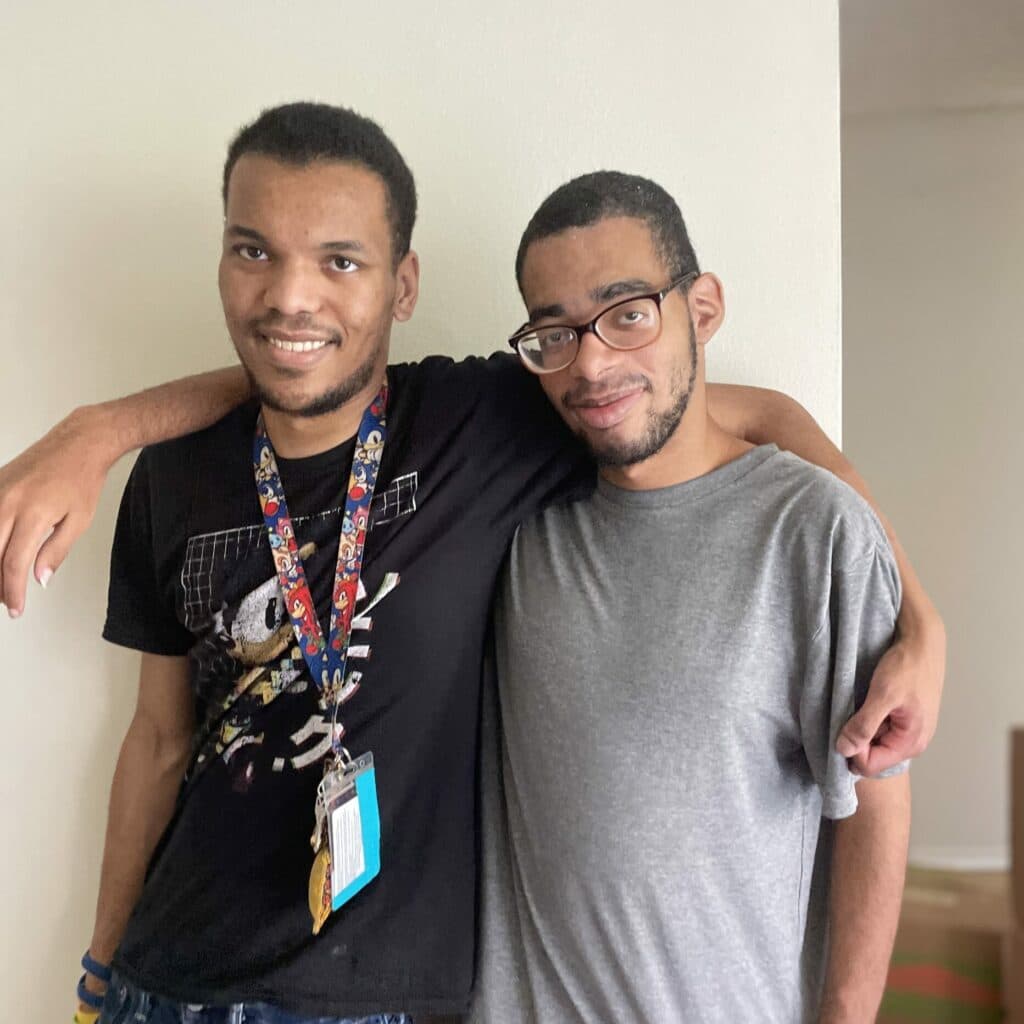
Your adult child just turned 22. The school district sent a letter confirming services are ending. You have been googling "housing for adults with disabilities San Diego" for three weeks and all you have found is waitlists, jargon, and a growing knot in your stomach. You know San Diego Regional Center exists. You may even have a service coordinator assigned. But nobody has walked you through the actual steps between "my son needs a place to live" and keys in his hand.
This guide is that walkthrough. We will cover what SDRC funds, the housing pathways available, how life-sharing works as a group home alternative, and the exact steps to request Supported Living Services through your service coordinator.
What San Diego Regional Center Covers
San Diego Regional Center (SDRC) is one of California's 21 Regional Centers, each contracted by the Department of Developmental Services to coordinate and fund services for individuals with intellectual and developmental disabilities (IDD). SDRC serves two counties: San Diego County and Imperial County.
That means if your family lives in San Diego, Chula Vista, Oceanside, Escondido, Carlsbad, El Cajon, Vista, San Marcos, La Mesa, Santee, Poway, El Centro, or any other city in those two counties, SDRC is your Regional Center. They do not provide services directly. Instead, they assess needs, develop an Individual Program Plan (IPP), and fund approved vendors to deliver support.
For a broader overview of how the Regional Center system works statewide, see our family guide to Regional Center services.
Housing Pathways Through SDRC
When it comes to housing, SDRC funds several different models. Each one serves a different level of need. Understanding the differences helps you have a more productive conversation with your service coordinator about what fits your family member.
Group Homes
Group homes are licensed residential facilities where 4 to 6 adults with disabilities live together with 24/7 professional staff. Routines, meals, and schedules are set by the facility. Staff work in shifts, so your loved one may interact with many different caregivers throughout the week. Group homes can be a strong fit for individuals who need constant eyes-on supervision or have complex medical and behavioral needs that require trained staff at all times.
Supported Living Services (SLS)
SLS flips the model. Instead of moving into a facility, the individual lives in their own apartment or house in the community, with personalized support built around their goals. The level of support ranges from a few hours per week to around-the-clock assistance. SLS is funded through Regional Center, which means most families pay nothing out of pocket for the support component. For a deeper explanation of what SLS covers and how it differs from other programs, see our guide on Supported Living Services in California.
Life-Sharing (Within SLS)
Life-sharing is a specific model within SLS where your loved one is matched with a supportive roommate who actually lives with them. The roommate is not a paid staff member working shifts. They are someone who shares the home, cooks meals together, goes grocery shopping on Saturday morning, and becomes a genuine part of your family member's daily life. Support happens naturally, woven into the fabric of living together, rather than delivered on a clinical schedule.
This is what Homies does. We are a vendored SLS provider with San Diego Regional Center, and life-sharing is our entire focus. We match adults with IDD to compatible supportive roommates through a thorough process that considers personality, interests, lifestyle preferences, and support needs. You can learn more about the specifics on our San Diego Regional Center page.
Why Families Are Choosing Life-Sharing Over Group Homes
The families we work with tend to share a common profile. Their adult child wants independence. They can manage some time on their own. They would thrive with one consistent person rather than rotating caregivers. And the family wants their loved one to live a life that looks and feels like anyone else's: a real apartment, a real roommate, a real neighborhood.
Group homes serve a critical purpose for individuals who need 24/7 medical or behavioral supervision. But for adults with IDD who fall outside that category, the structured facility model can feel restrictive. Fixed meal times. Shared bedrooms. Group outings instead of individual choices. Limited say in who you live with.
Life-sharing through SLS gives individuals control over where they live, who they live with, and how they spend their time. It is fully funded through Regional Center, the same way group homes are. For a detailed side-by-side comparison of both options, we put together a guide on SLS vs group homes that covers the practical differences.
How to Request SLS Through Your SDRC Service Coordinator
Getting SLS authorized is a process with clear steps. Knowing what to expect helps you plan ahead and advocate effectively.
Step 1: Start the Conversation
Contact your SDRC service coordinator and let them know your family member is interested in Supported Living Services. Be specific. Instead of "we want housing help," say "we want to explore SLS and life-sharing as a housing option." The more precise you are, the easier it is for your coordinator to point you in the right direction.
Step 2: Add Housing Goals to the IPP
This is the most important step. The Individual Program Plan is the document that drives everything. If a housing goal is not in the IPP, it is extremely difficult to get services authorized. You can add this goal at your annual IPP meeting, or you can request a meeting specifically to discuss housing. Either way, get it in writing.
Step 3: Choose a Vendor
Once housing goals are in the IPP, your service coordinator will refer your loved one to one or more approved SLS vendors for assessment. You have the right to choose your vendor. If you are interested in life-sharing specifically, ask your coordinator about Homies. We are an approved SDRC vendor and can walk your family through what the matching process looks like.
Step 4: Assessment and Service Plan
The vendor meets with your loved one and your family to evaluate needs, preferences, and goals. Based on this assessment, they develop a service plan that outlines the type and level of support recommended.
Step 5: Regional Center Approval
The proposed service plan goes back to SDRC for review and funding authorization. Once approved, services begin.
Timeline
Families should plan for this process to take several months from start to finish. If your loved one is approaching a transition, whether that is aging out of the school system, a change in your family's ability to provide care, or simply readiness for the next chapter, start the conversation with your service coordinator well in advance. For more on how Regional Center housing works across California, we have a statewide overview as well.
What Happens After the Match
Once Homies matches your family member with a compatible roommate, we handle finding a suitable apartment or home in the San Diego area, coordinating the move, and providing ongoing support and supervision. Our team stays involved long after move-in day. We check in regularly, adjust the support plan as needs evolve, and remain a resource for both the individual and their family.
The goal is not just housing. It is a life your family member is excited about. A roommate who becomes a friend. A neighborhood that becomes theirs. Morning coffee at the kitchen table, not in a facility dining room.
Get Started
If your family is exploring housing options through San Diego Regional Center, we would like to hear from you. Whether you are early in the process or already have SLS in your IPP and are looking for the right vendor, a conversation with our team can help you figure out whether life-sharing through Homies is the right fit.
Schedule a call with our team to talk through your family's situation. You can also learn more about our process or explore options as a Regional Center client. No pressure, no rush. Just a straightforward conversation about what is possible.
Ready to explore life-sharing?
Schedule a free 15-minute call to learn how Homies can help your family. No commitment, no pressure — just answers.